How Does an Inkless Printer Work?
An inkless printer works by using heat to activate special thermal paper that darkens where heated, so you don’t need ink, toner, or ribbons. This means you can print without worrying about running out of ink or replacing cartridges. Its thermal print head precisely applies heat to create sharp, clear images or text quickly.
Most inkless printers use direct thermal technology, which is perfect for monochrome prints. However, one downside is that these prints can fade over time.
If you’re curious about how this technology stacks up against traditional printing methods, there’s definitely more to explore. Whether you’re looking for convenience or cost savings, understanding inkless printers can help you find the best option for your needs.
Key Takeaways
- Inkless printers use thermal technology to create images by applying heat to special heat-sensitive paper. A thermal print head precisely heats specific areas, causing the paper to darken and form text or images instantly.
- Direct thermal printing uses heat-sensitive paper that darkens when heated, so you don’t need any ink or toner. It’s pretty neat because the image appears right away.
- Thermal transfer printing works a bit differently. It heats a ribbon to transfer ink onto materials, which makes the prints more durable and long-lasting.
- Inkless printing is quick, low-maintenance, and clean. You don’t have to worry about ink refills, but it does rely on specialized thermal paper.
Inkless Printers: Definition and Function
Although inkless printers might sound futuristic, they work on a straightforward principle: using heat to create images on special paper. You’ll find thermal printers use heat-sensitive paper that darkens when heated by a thermal print head, eliminating the need for ink, toner, or ribbons.
This means you can print quickly and cleanly without worrying about smudges or messy replacements. When you use these printers, the thermal print head precisely applies heat to the paper, producing text and images instantly.
Their simplicity and low maintenance make thermal printers an excellent choice for tasks where you need durable, smudge-free prints without extra supplies. So, when you think about inkless printers, remember they’re just thermal printers relying on heat and special paper to get the job done efficiently.
The Difference Between Inkless Direct Thermal and Thermal Transfer Printing
When you choose an inkless printing method, it helps to understand the key difference between direct thermal and thermal transfer printing. Direct thermal printing uses heat-sensitive paper that darkens when heated by the print head, eliminating the need for ink or ribbons.
This makes direct thermal printers simpler and more cost-effective, though their prints can fade over time due to heat, light, or moisture exposure. On the other hand, thermal transfer printing uses a heated ribbon to transfer ink onto materials like labels or vinyl.
While thermal transfer produces more durable and long-lasting prints, it’s less truly inkless because of the ribbon. So, if you want a straightforward, ink-free option, direct thermal is your go-to. But for durability, thermal transfer might be better despite involving ink.
Thermal Print Heads: Their Role in Inkless Printing
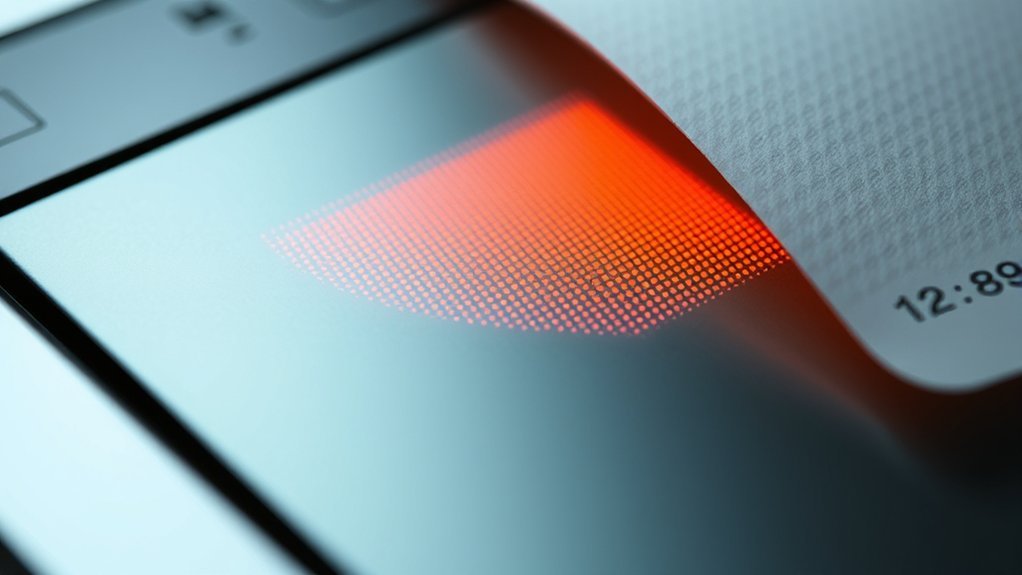
You rely on thermal print heads to create sharp images without ink by applying precise heat to special paper. This heat activates the chemicals in the paper, producing text or images exactly where you want them.
The quality of your prints depends on how accurately and consistently the print head controls this heat. It’s all about precision and timing, really. That’s what makes your prints come out looking great every time.
Thermal Print Head Function
Because the thermal print head directly controls the application of heat, it plays a crucial role in inkless printing. This component contains tiny heating elements that precisely apply heat to the thermal paper, darkening its heat-sensitive coating to create images or text.
When you use an inkless printer, the thermal print head moves across the paper, heating specific spots to form your desired print. Here’s how it functions:
- Electrical current passes through the heating elements, generating focused heat.
- The thermal print head moves swiftly across the paper, selectively activating elements.
- It maintains consistent temperature control for clear, high-speed printing.
Over time, you might need to maintain or replace the thermal print head. This helps keep print quality sharp and reliable.
Heat Application Mechanism
Although thermal print heads may seem simple, they perform a complex task by precisely applying heat to specific areas of the thermal paper. Inside the thermal print head, tiny heating elements rapidly heat up and cool down, controlling exactly where the paper darkens to form images or text.
You’ll find that the temperature and how long the thermal print head applies heat directly affect the darkness and clarity of the print. The thermal print head guarantees even heat distribution, so your prints stay consistent across the entire page.
Over time, the thermal print head can wear out or get dirty. This means you might need to clean or replace it to keep your inkless printer working smoothly.
Impact on Print Quality
The thermal print head’s precise heat control directly shapes the quality of your prints. Thermal print heads contain tiny resistive elements that heat specific spots on the thermal paper, darkening it to form images and text.
This exact temperature management guarantees sharp, clear output without smudges. Here’s how thermal print heads impact your print quality:
- Multiple heating elements arranged in a line deliver consistent, high-resolution images across the paper.
- Precise heat regulation prevents blurry or faded prints, maintaining crisp details.
- Over time, wear or dirt on the thermal print heads can degrade quality, so regular cleaning or replacement is essential.
How Thermal Paper Makes Inkless Printing Possible
When you use thermal paper, you rely on its special heat-sensitive coating that darkens as the printer’s thermal head applies controlled heat. This coating contains chemicals designed to react and produce visible images or text without needing ink or toner.
The printer’s thermal head targets specific areas on the thermal paper, causing the heat-sensitive chemicals to change color instantly. This makes printing quick and precise. Because the chemical reaction occurs directly on the paper, you don’t have to worry about ink cartridges or ribbons.
However, it’s important to know that thermal paper images can fade over time if exposed to heat, sunlight, or moisture. That’s because the chemical reaction can reverse or degrade, which affects the print’s longevity.
Advantages of Inkless Printing Compared to Ink-Based Methods
Because you don’t need ink cartridges or toner, inkless printing cuts down on supply costs and maintenance. This makes it a more economical choice overall.
Thermal printing produces sharp, smudge-free text and images directly on thermal paper. So, you avoid those messy ink spills that can be such a hassle.
Plus, inkless printers have fewer moving parts, which means they’re more durable and less prone to breakdowns.
Here are key advantages you get with inkless thermal printing:
- Lower ongoing costs—no need to buy ink or toner.
- Cleaner operation—no ink mess or spills.
- Faster, quieter printing with reliable output.
Key Limitations of Inkless Printers to Know
You should know that inkless printers only work with special thermal paper, which limits your options compared to standard printing materials. The print quality is usually monochrome and won’t match the vibrant colors or detail you get from traditional printers.
These constraints can affect both the look and durability of your printed documents. So, if you need colorful or long-lasting prints, inkless printers might not be the best choice.
Print Quality Constraints
Although inkless printers offer unique advantages, they come with notable print quality constraints you should consider. These printers typically produce monochrome images, limiting your options if you need vibrant or detailed color prints.
Also, the print quality can degrade over time as thermal images fade when exposed to heat, sunlight, or moisture. The resolution tends to be lower than traditional inkjet or laser printers, which affects sharpness and clarity.
Here are three key print quality constraints to keep in mind:
- Limited to monochrome prints, restricting color and complex graphics.
- Print fading over time due to environmental exposure.
- Lower resolution results in less sharp images, especially for fine details or small text.
Knowing these will help you set realistic expectations for inkless printing.
Paper Requirements
Print quality limitations often stem from the unique paper requirements of inkless printers. You’ll need to use special heat-sensitive thermal paper that darkens when heated, as these printers can’t print on regular paper.
This thermal paper is essential but usually costs more than standard printing paper because of its specialized coating. Keep in mind, inkless printers only produce monochrome outputs, so full-color images are out of the question.
Additionally, thermal paper isn’t very durable; it can fade over time when exposed to heat, sunlight, or moisture. This might affect your documents’ longevity.
Because of this, you’ll have to stick to specific thermal paper rolls or sheets, as traditional printing media simply won’t work with inkless printers.
How Phomemo’s Inkless Printers Simplify Printing Tasks
Because Phomemo’s inkless printers use direct thermal technology, you don’t have to worry about replacing ink cartridges or dealing with messy toner. These printers simplify your printing tasks by heating special thermal paper to create clear, smudge-free prints effortlessly.
You can connect via Bluetooth or USB, making printing from your smartphone or computer quick and convenient. Plus, their compact design fits easily in your workspace or on the go.
Here’s how Phomemo’s inkless printers make printing easier for you:
- No ink or toner means less maintenance and no mess.
- Fast, wireless printing from devices streamlines your workflow.
- Portable, user-friendly models support various personal and professional needs.
With these features, inkless printers really take the hassle out of printing. It’s printing made simple!
Real-World Uses of Inkless Printing Technology
When you need reliable, mess-free printing, inkless technology proves invaluable across various fields. In retail, thermal printers produce receipts and shipping labels without ink or toner, saving time and costs.
Educational settings use inkless printers to make durable flashcards and labels that resist smudging and fading, ensuring longevity. If you run a small business, you can generate barcode labels for inventory and product tracking efficiently.
Travelers and remote workers benefit from portable inkless printers, printing documents, contracts, or tickets on the go without carrying ink. Medical facilities also rely on thermal printers to create clear, smudge-free patient records, sample labels, and prescription tags.
Inkless printing offers you versatile, hassle-free solutions tailored to diverse real-world needs. It’s pretty handy when you think about all the ways it can simplify everyday tasks!
How to Choose the Right Inkless Printer for Your Needs
Although inkless printers come in various shapes and sizes, choosing the right one depends on your specific needs—whether you require a portable device for quick, on-the-go printing or a larger model to handle higher volumes. Thermal printers offer diverse options, so focus on what suits your tasks best.
Think about what you really need before deciding.
Consider these factors:
- Portability vs. Volume: Do you need a compact printer for mobility or a robust machine for frequent, high-volume printing?
- Printing Type: Will direct thermal printing for black-and-white receipts suffice, or do you need color capabilities?
- Compatibility and Cost: Make sure the printer connects smoothly with your devices. Also, check the cost and availability of thermal paper or labels, as these affect ongoing expenses.
Frequently Asked Questions
Is an Inkless Printer Good?
Yes, an inkless printer is good if you need quick, reliable, and cost-effective printing for receipts, labels, or barcodes. You’ll avoid ink costs and maintenance.
But keep in mind, you won’t get vibrant colors or detailed images. So, it’s great for simple prints but not for high-quality photos or graphics.
How Do Thermal Printers Work?
Thermal printers work by applying heat to special paper, causing it to darken where heated. You’ll get fast, quiet prints without ink, as tiny heating elements selectively activate to form images or text on the paper.
It’s pretty cool because the process is simple but effective. No need for cartridges or ribbons, which means less mess and hassle. Plus, the prints come out quickly, making these printers great for receipts and labels.
Can I Use Regular Paper in a Thermal Printer?
You can’t paint a sunset with a black-and-white brush—just like that, you can’t use regular paper in a thermal printer. It won’t darken, might damage the print head, and won’t produce any image or text.
Think of it this way: thermal printers need special heat-sensitive paper to work properly. Using regular paper is like trying to bake a cake without flour—it just doesn’t work. Plus, it could mess up your printer in the long run.
How Does a Zero Ink Printer Work?
You’ll find that a zero ink printer works by heating special paper, which darkens where heated. It doesn’t use ink but relies on heat-sensitive chemicals in the paper to create your text or images instantly.
Conclusion
Inkless printers offer a hassle-free way to print without worrying about ink refills or smudges. Imagine a small business owner using Phomemo’s inkless printer to quickly print receipts on thermal paper—saving time and cutting costs.
While they have limits, like paper sensitivity to heat, their convenience and eco-friendliness make them a smart choice for everyday tasks. You’ll appreciate how simple and efficient inkless printing can be once you try it.
Inkless printers use heat-sensitive paper to create images, eliminating the need for traditional ink cartridges. This not only reduces waste but also means no messy ink spills or frequent refills. For anyone looking to streamline printing with a cost-effective, eco-friendly solution, inkless printers are definitely worth considering. They’re perfect for quick, on-the-go printing needs without compromising convenience or quality.