Peru Guide / Lima History

Lima History

The history of Lima does not only begin with the foundation of the colonial city by Francisco Pizarro in 1535. The area, where we today find the Peruvian capital, was already inhabited many thousands of years before that. The time before the Spanish colonization is full of rich and unique cultures, but also reflects a long process where humankind developrd its skills and made the desert stripe between the Pacific Ocean and the Andes a habitable place and a green oasis.

The first inhabitants, who settled in the Lima area already around 10.000 BC, were fishermen and hunters and gatherers who slowly discovered and developed agriculture. From today’s Ancón in the north to Pucusana in the south and along the valleys of the three rivers Chillón, Rimac and Lurín, which are still important to this day, small settlements with very simple huts arose between 8000 BC and 6000 BC. Archeological findings of stone instruments along the Chillón River can be associated with the Andean lithic period (approx. 7500 BC) and are so far the oldest proof of human existence in Peru. The first genuine communities were in the Chilca-Pucusana-San Bartholo area located in the south of today’s (around 5500 BC to 4500 BC) and in the Ancón area (in the north).

El Paraiso - The Paradise

Lima History
 
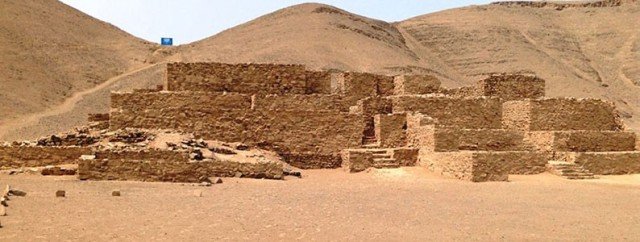
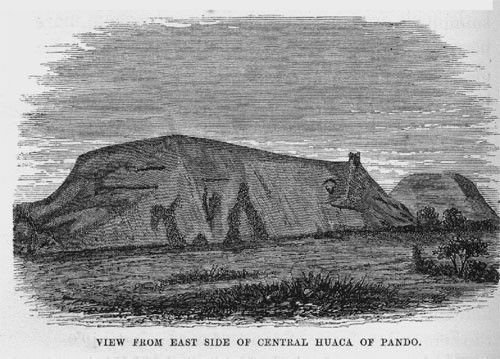
One of the first big settlements and ceremonial centers in the area of today’s Lima was El Paraíso (The Paradise). For decades, the complex was dated to around 2200 BC, however, new findings suggest that it might be even 1000 or 2000 years older.

The Chavín Culture (1200BC-200AD)

Lima History
 
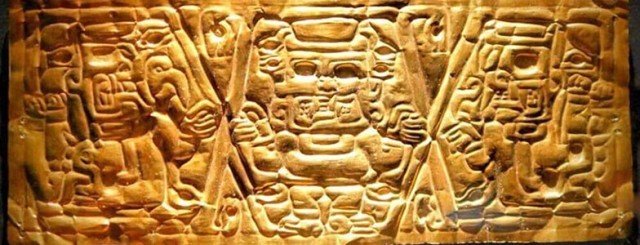
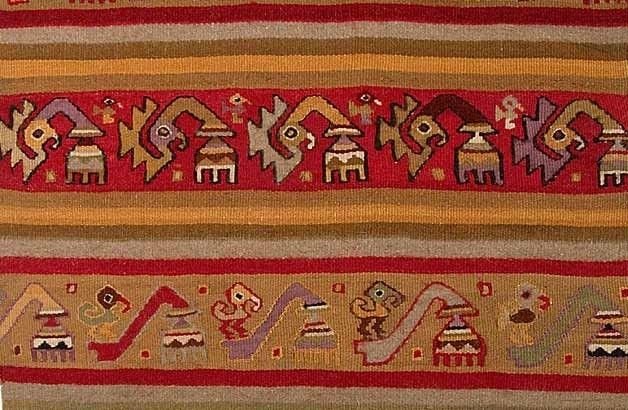
The Chavin civilization is one of the great pre-Columbian cultures of Peru. It emerged in the northern Andean highlands in today’s Huari province in the Ancash region around 1200 BC. While for the first few hundreds of years the Chavin society was limited to the Andean region where they developed, later their influence spread to other civilizati…

The Maranga or Lima Culture (150AD-700AD)

Lima History
 
After the decline of the Chavin, a new civilization arose in the area of today’s Lima around 150 AD which brought significant progress and changes to the region. The Maranga Culture, also known as the Lima Culture, at first inhabited only the area of today’s districts of Callao, La Punta, Bellavista and La Perla. However, adapting and refining t…

The Wari Culture (700AD-1100AD)

Lima History
 
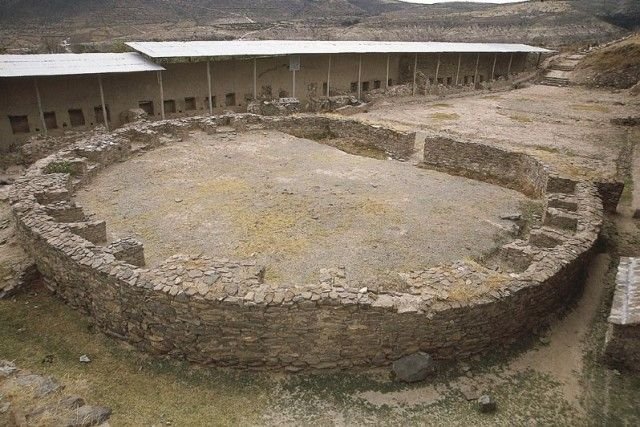
The Wari, also known as Huari, had their origin in the Ayacucho region. Being presumably the first culture to use military force to conquer the surrounding civilizations, they soon reigned over much of the highlands and coast of modern Peru. The Wari subdued all other cultures forbidding any practice of former traditions. They settled at strateg…

The Chancay & Ichma Culture (1100AD-1440AD)

Lima History
 
After the breakup of the Wari Empire, an era of kingdoms and regional confederations in the Lima region began. Social groups constituted regional states (characteristic for this time period), but these changes first brought turbulent times with social agitation, political and cultural instability to the region.

The Incas (from the early 13th century)

Lima History
 
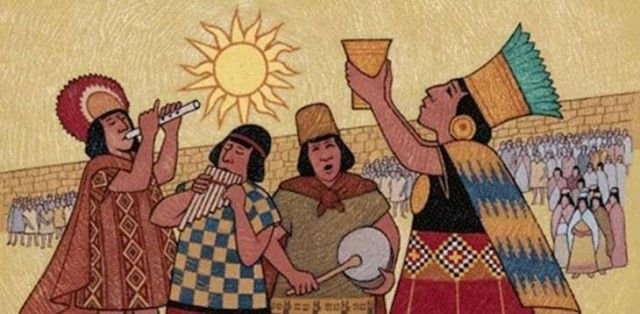
The Incas, the most well-known pre-Hispanic culture in Peru, were only the last highly advanced culture in a series of great ancient Peruvian civilizations. The Incas arose in the early 13th century in the Cuzco region where they built up a small city state named Qosqo (Cuzco). They originally represented one of these small and relatively minor …
 
Read

Peru Newsflash

New lizard species discovered in Peru

There is still so much new to find out about and see in Peru. Just recently Peruvian scientists discovered a...


Peru has the second-worst drivers in the world

For those living and driving in Peru it comes to no surprise. A recent study by Compare the Market, an...


Machu Picchu reopens for the first time after the social outbreak

The Ministry of Culture of Peru decided to re-open Machu Picchu after it was closed on January 21 because of...


Peru extends the state of emergency in 44 districts

The Peruvian government extended the "state of emergency" in 44 districts of the central departments of...

Peru Event Calendar

«◀ April 2025 ▶»
MonTueWedThuFriSatSun
12345
6789101112
1314151617 1819
20212223242526
27282930

Upcoming Events in Peru

Upcoming Events in Peru

Tourist Attractions & Sights in Peru

Machu Picchu


Peruvian Visa Types

Peruvian Digital Nomad Visa


Peruvian Cheese

Queso Rojo de Lluta

Latest Video

Long Reads...

The Mystery of the Nazca Lines in Peru

In the 1920s, when people first flew across southern Peru, they made an astonishing discovery. Stretching below them,…


Francisco Pizarro González (1474-1541)

Francisco Pizarro, a peasant from Spain, was one of the least well-equipped conquerors in history. However, in the name…
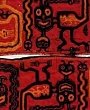

The colorful Fabrics and Textiles of Peru

Europe’s first knowledge of Peruvian textiles was acquired following the Spanish invasion of Peru in 1532, when the…
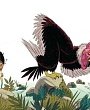

The Jeweled Frog and the Condor

By a quiet pond, at the side of a cloud-topped mountain in Peru, lived a small green frog and his large green family.…


Peruvian Economy

The Peruvian economy is an emerging, social market economy highly dependent on foreign trade and classified as an upper…