Day: October 31, 2026

  • How Does a Laser Printer Work Step by Step

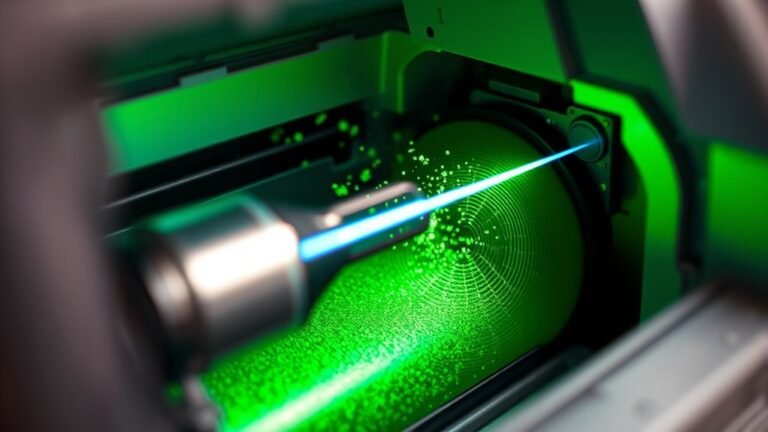
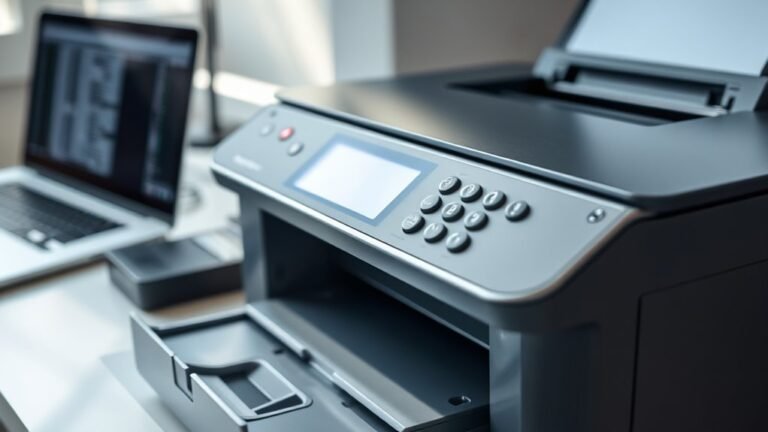
    You send a digital file to your laser printer, which first converts it into a high-resolution electrostatic blueprint on a charged photosensitive drum. A laser scans the drum, discharging areas to form the image.

    Toner particles then stick to these charged spots and transfer onto paper. Finally, heat and pressure from the fuser permanently bond the toner, producing crisp, smudge-resistant prints.

    Keep following to uncover how each precise step guarantees fast, sharp results. It’s pretty cool how it all works together so quickly!
  • What Does It Mean When a Printer Is Offline and How to Fix It

    When your printer shows offline, it means it can’t communicate with your computer due to connection, network, or software issues. To fix it, make sure your printer is powered on with cables securely connected and on the same network as your device.

    Also, check that it’s set as the default printer. Clear any stuck print jobs, and don’t forget to restart the Print Spooler.

    If problems persist, reinstalling drivers or using the Windows troubleshooter often helps. Keep exploring to uncover detailed steps and solutions.

  • How to Find WPS PIN on HP Printer in 3 Easy Steps

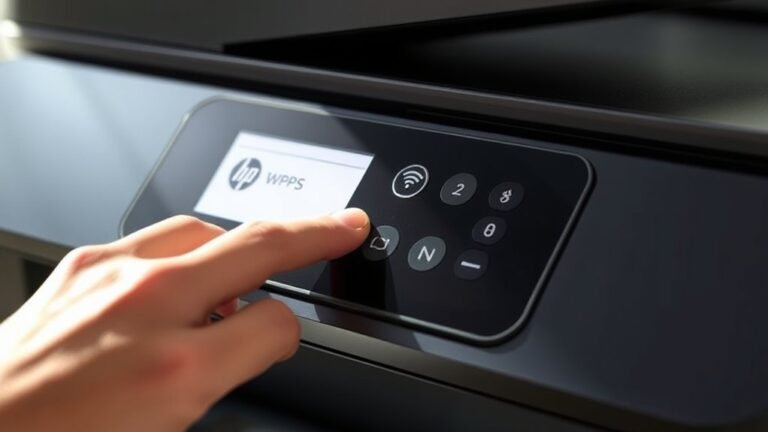
    To find the WPS PIN on your HP printer, first go to the Settings menu and select Wireless or Network. Next, choose Wi‑Fi Protected Setup, then pick the PIN option to display the 8-digit code on your printer’s screen—it appears only briefly, so use it quickly.

    If your printer lacks a display, use the push-button method instead.

    If you want to know how to handle connection issues or reset your network, keep exploring for helpful tips.

  • How Does a LaserJet Printer Work?

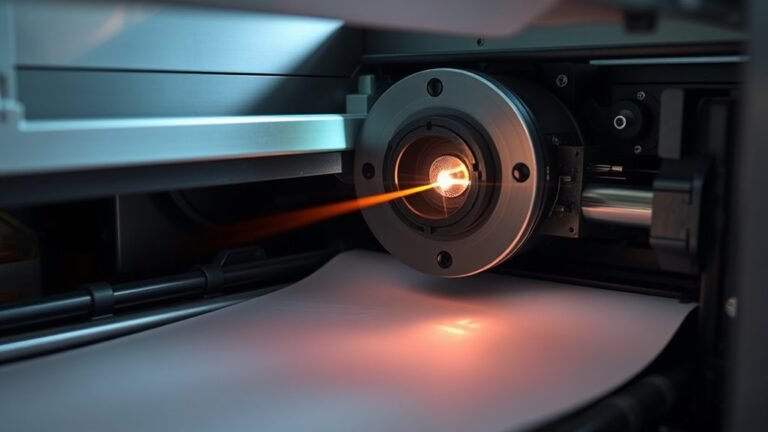
    A LaserJet printer starts by charging a photosensitive drum with a uniform electrical charge. Then, a laser beam discharges specific areas to create a precise electrostatic image.

    Toner, made of powdered plastic resin and pigments, sticks to those charged spots. Next, the toner transfers onto paper using opposite electrical charges.

    Finally, heated rollers fuse the toner, making your print permanent and smudge-proof. If you want to know how each step guarantees sharp, clear prints and how it compares to inkjets, there’s more to explore.

  • What Is an SLA Printer and How Does It Work?

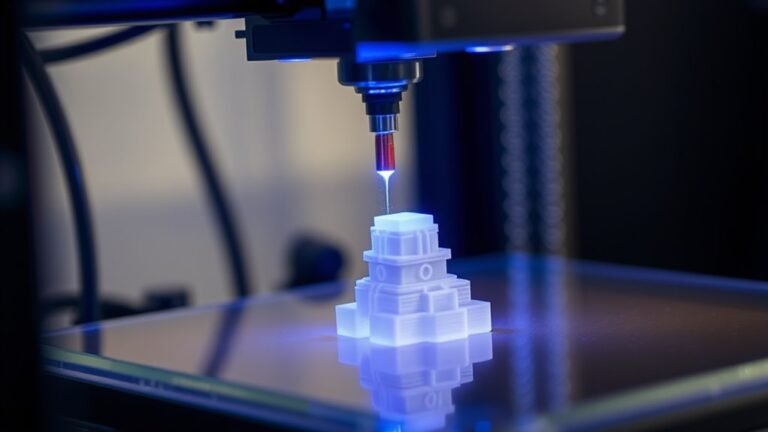
    An SLA printer uses a focused ultraviolet laser to cure liquid resin layer by layer, creating precise, high-detail 3D objects with smooth finishes. You’ll start with a CAD model sliced into thin layers, and the laser solidifies each layer on a build platform submerged in resin.

    It’s ideal for detailed prototypes, jewelry, and dental models, offering unmatched accuracy but slower speeds. Keep exploring to discover how the hardware, materials, and techniques all come together for stunning results.

  • Does 3D Printer Filament Go Bad?

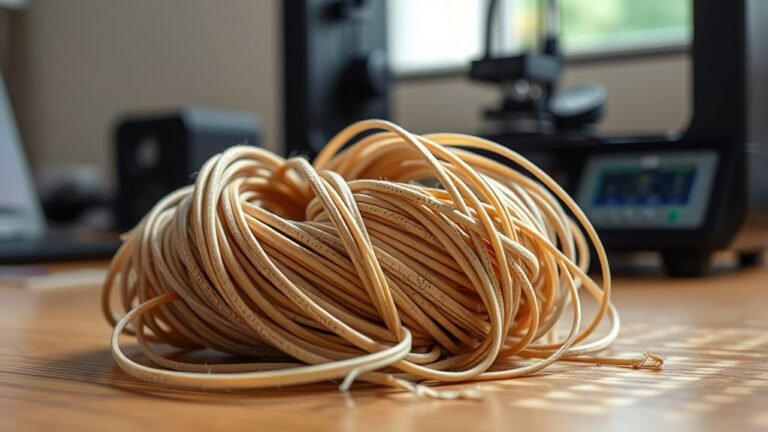
    Yes, 3D printer filament does go bad, but not like food—it gradually loses quality over time, especially if exposed to moisture, heat, or sunlight. Moisture causes popping, bubbles, and weak prints.

    Heat and UV can degrade some materials like ABS. Proper storage—airtight containers with desiccants, cool dark places—and occasional drying help extend its life.

    If you want to avoid print failures and learn how to spot and prevent filament issues, there’s more to take into account. It’s all about keeping your filament in the best shape possible!

  • How to Connect a 3D Printer to Your Computer in 10 Easy Steps

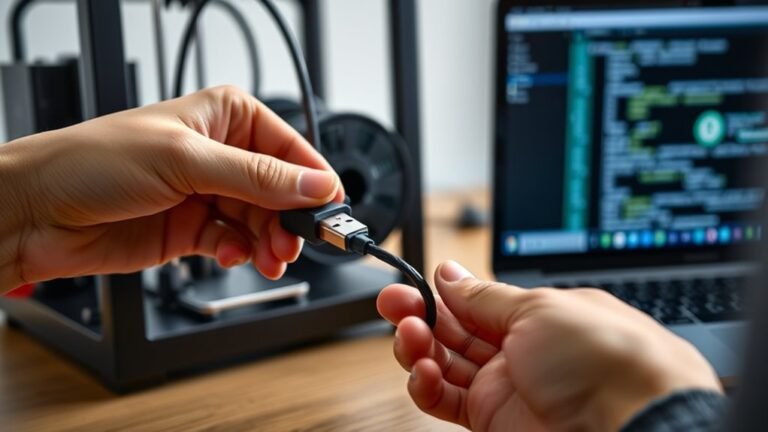
    To connect your 3D printer to your computer, start by unboxing and inspecting all components. Position the printer on a stable surface, then plug in power and USB cables securely.

    Next, install the correct drivers for your printer’s USB chipset. You’ll need these so your computer can talk to your printer properly.

    Connect via USB or Wi-Fi, whichever your printer supports, and configure your slicer software with the right COM port and baud rate. This part is key to getting everything synced up.

    Now, level the build platform and load the filament. These steps make sure your prints stick and come out great.

    Finally, run a test print to check that everything is working smoothly. Follow these steps, and you’ll be set up for hassle-free printing and easy troubleshooting.

  • How to Connect MacBook to Printer in 7 Easy Steps

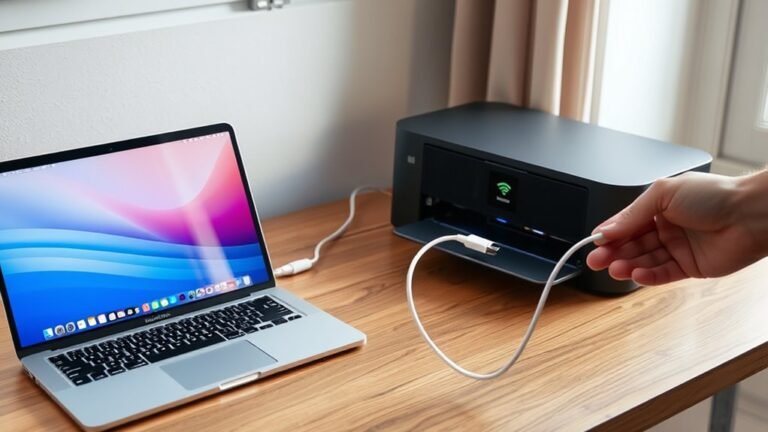
    Power on your MacBook and printer, making sure both are properly connected and ready to go. Connect your printer to the same Wi-Fi network as your MacBook or use a compatible USB cable.

    Next, add the printer through System Settings > Printers & Scanners. You can select it wirelessly or via USB.

    If your printer doesn’t show up, try adding it by IP address instead. Then, set your printer as the default and adjust any preferences you want.

    Finally, print a test page to make sure everything’s working. Keep following for more detailed steps and helpful tips!

  • What Can a 3D Printer Print in Metal?

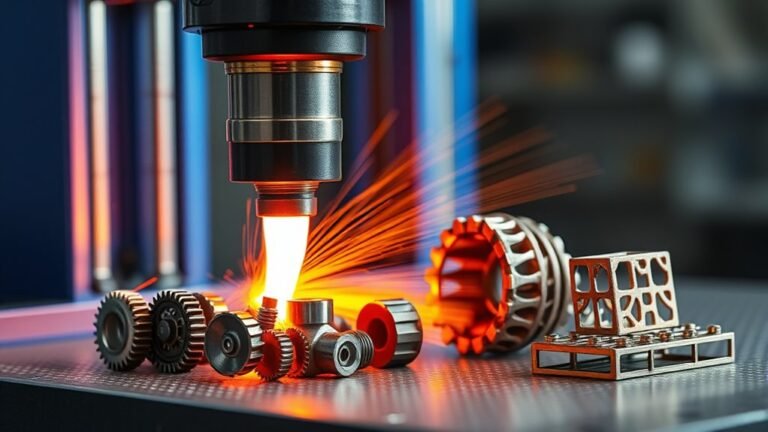
    You can 3D print a wide range of metal parts, from functional components like brackets and gripper jaws to aerospace turbine blades and patient-specific implants. Whether you need durable consumer items, tooling inserts, or complex consolidated assemblies, metal printing handles it.

    Different methods fit different needs—high-strength powder-bed fusion for performance alloys or affordable Filamet™ for low-volume projects. If you want to explore how to design, choose alloys, and post-process, there’s much more to discover.

  • How to Build a 3D Printer in 5 Simple Steps

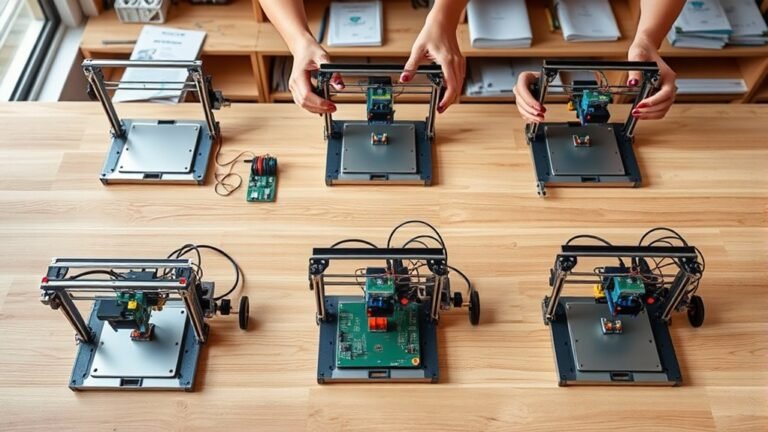
    Start by designing a rigid aluminum frame with a hybrid motion system: belt-driven X-axis, Y-axis moving bed, and Z-axis height adjustment.

    Next, pick quality parts like NEMA 17 steppers, belts, and heated nozzle components.

    Then, assemble the frame and install guides, motors, and belts carefully.

    After that, set up electronics with proper wiring and flash your firmware.

    Finally, calibrate motors, level the bed, and run test prints to make certain accuracy.

    Follow these basics, and you’ll soon master precise 3D printing.