7 Key Factors Affecting How Much a 3D Printer Does Cost
Several key factors affect how much your 3D printer will cost. The printing technology you choose influences both upfront and maintenance expenses.
Build volume plays a big role too, as it determines the size of your projects and overall efficiency.
Higher print quality usually means less waste, but it can also raise the price. Material options impact ongoing costs, especially if you go for specialty filaments.
Brand reputation matters because it often ensures dependable support when you need it.
Print speed is another factor that boosts productivity, helping you get more done in less time.
Plus, advanced features might add to the price tag but often increase the printer’s overall value.
Keep exploring these elements to see how they shape your ideal 3D printer choice.
Key Takeaways
- The type of 3D printing technology directly influences initial and maintenance costs due to varying complexity and material handling. Different technologies handle materials in unique ways, which can affect how much you spend upfront and down the line.
- Build volume affects price by determining the maximum project size and print efficiency. Basically, the bigger the build space, the more you can create—but it might cost you more.
- Higher print quality printers cost more upfront but reduce reprint rates and post-processing expenses. So, paying more at the start can actually save you time and money later.
- Material compatibility and choice impact ongoing consumable costs and printer maintenance requirements. Choosing the right materials is key since they affect both your budget and how often you need to service your printer.
- Brand reputation, customer support, printing speed, and advanced features add to the overall printer price and value. It’s not just about the machine itself; support and extras can make a big difference too.
How 3D Printing Technology Drives Printer Prices
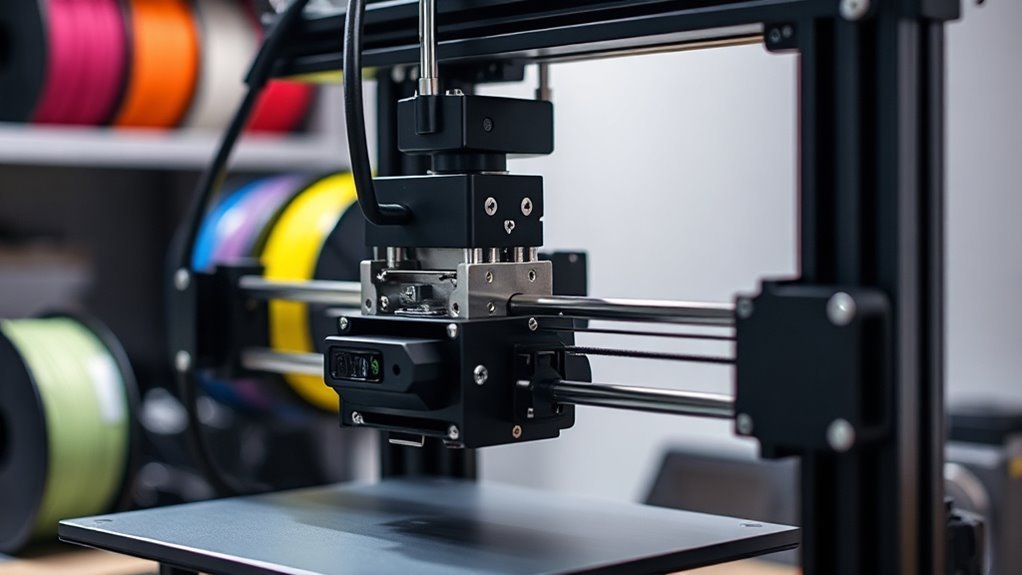
Because different 3D printing technologies offer varying capabilities and complexities, they directly influence the printer’s price. When you choose an FDM printer, you’re opting for affordability and ease of use, perfect for beginners or simple prototypes.
However, if you want finer detail and smoother finishes, SLA or DLP printers come at a higher cost due to their advanced resin curing methods. You’ll also find that SLS printers, which sinter powdered materials, are pricier, largely because of their industrial applications and material handling requirements.
The technology affects not just the upfront cost but also maintenance and materials, so you’ll want to match your choice with your project needs and budget. Understanding this helps you avoid overspending on unnecessary features or underinvesting in needed capabilities.
Why Build Volume Matters When Choosing a 3D Printer
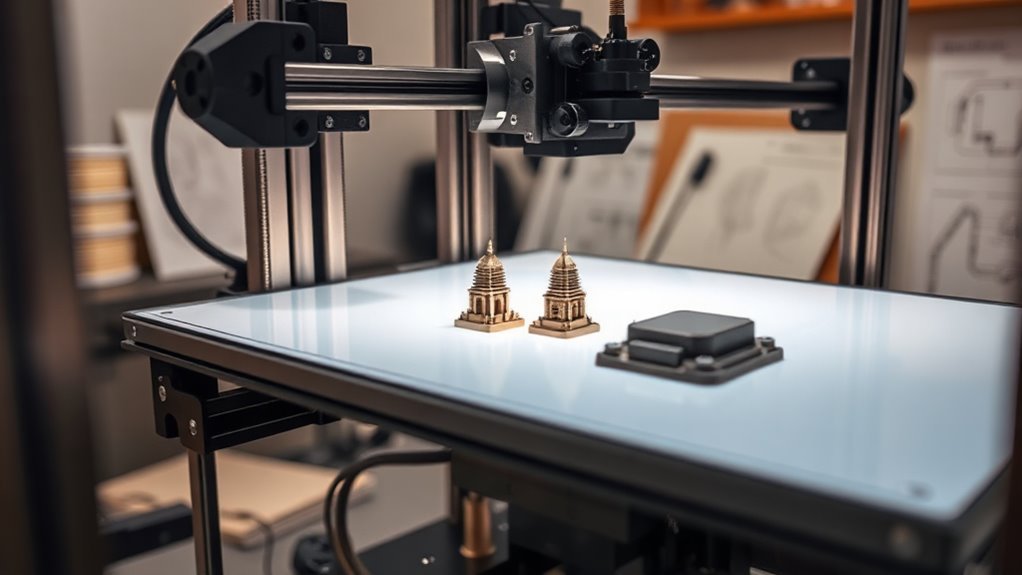
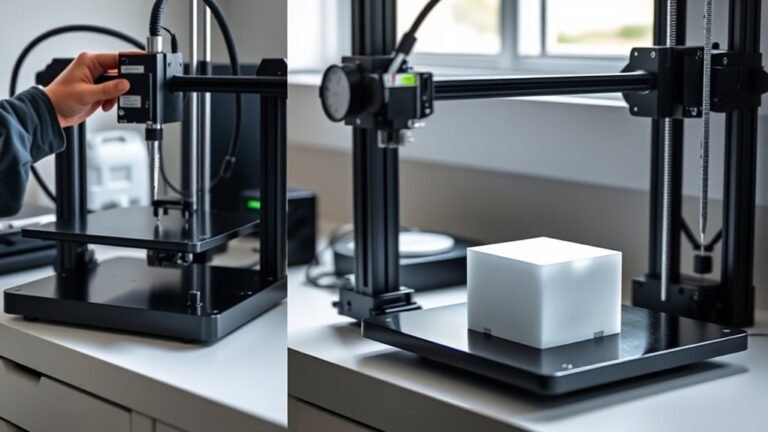
When selecting a 3D printer, you’ll quickly see that build volume plays a significant role in determining what projects you can tackle. A printer with a small build volume limits you to tiny objects, while a larger build volume lets you create bigger or multiple parts in one go.
This directly impacts your workflow, cost efficiency, and the types of products you can design. So, it’s worth thinking about how big your projects usually are before making a choice.
| Build Volume | Project Examples |
|---|---|
| 120 x 120 x 120 mm | Miniatures, jewelry |
| 200 x 200 x 200 mm | Prototypes, gadgets |
| 300 x 300 x 400 mm | Functional parts, models |
| 400 x 400 x 500 mm | Large prototypes |
| 500 x 500 x 600 mm | Industrial components |
Picking the right build volume means your printer fits your needs without overspending. It’s all about finding that sweet spot between size and budget.
How Print Quality Affects Your 3D Printer Budget
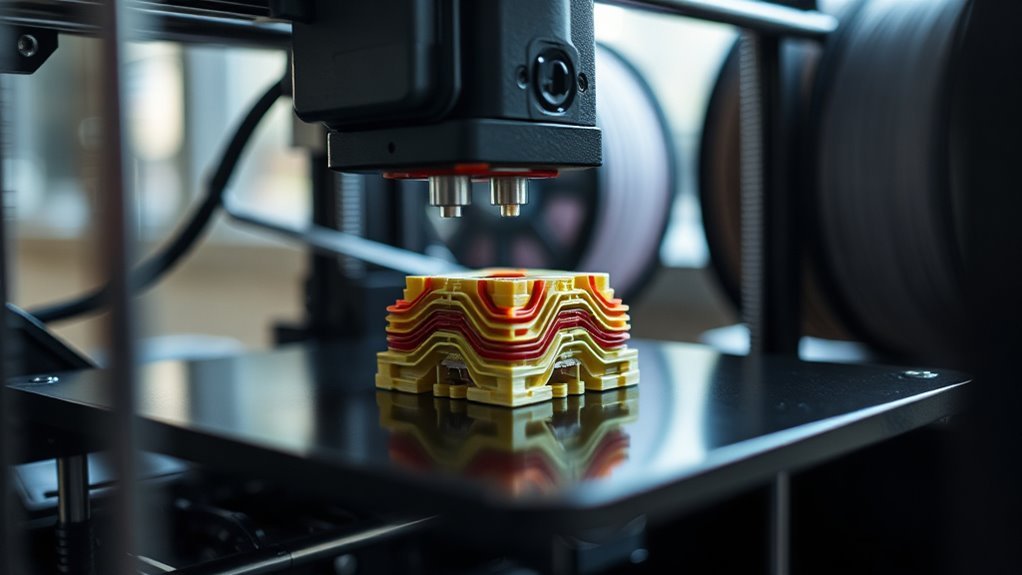
Although higher print quality often comes with a steeper price tag, it can save you money in the long run by reducing failed prints and post-processing time. When your printer produces finer details with fewer errors, you waste less filament and spend less time fixing imperfections.
Investing in a printer with better resolution and more consistent extrusion might cost more upfront, but it pays off by delivering reliable results and minimizing the need for reprints. On the other hand, lower-quality printers may seem budget-friendly initially but can lead to frustration and higher costs over time due to frequent failures and additional finishing work.
How Material Options Influence 3D Printer Cost
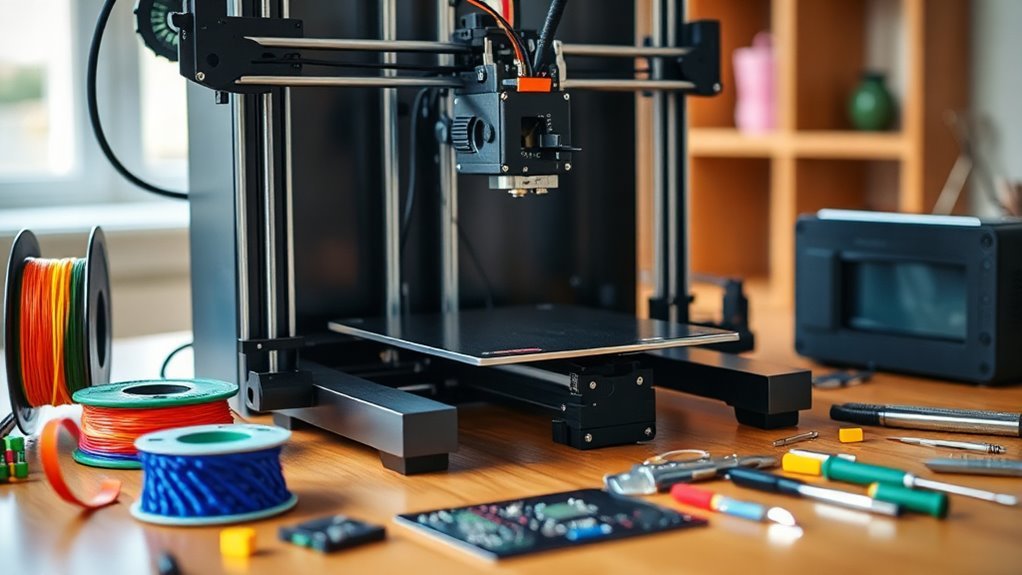
Material choices play a key role in determining your overall 3D printer costs. The type of filament or resin you use affects not only the price per spool or bottle but also the printer’s compatibility and maintenance needs.
Basic materials like PLA are affordable and easy to print, keeping expenses low. However, specialty materials like carbon fiber or flexible filaments cost more and often require printers with advanced features, which can increase upfront costs.
Also, don’t forget about the waste generated from failed prints or support structures—it adds up and impacts your material expenses. Choosing the right material for your projects helps balance quality and budget, making sure you don’t overspend on pricey filaments you don’t really need.
Why Brand Reputation and Support Matter for 3D Printers
Choosing the right materials is important, but don’t overlook how a printer’s brand reputation and customer support can impact your experience and costs.
A trusted brand means reliable performance and easier troubleshooting, saving you time and money. Good support helps you quickly resolve issues, minimizing downtime and avoiding costly repairs or replacements.
| Brand Reputation | Support Quality | Impact on Cost |
|---|---|---|
| Established brands | 24/7 tech assistance | Lower repair costs |
| New or unknown | Limited support | Potential expensive fixes |
| High customer ratings | Responsive service | Faster problem solving |
| Poor reviews | Slow or no response | Increased downtime costs |
Investing in a reputable brand with strong support protects your investment.
It also keeps your 3D printing running smoothly.
How Printing Speed Impacts 3D Printer Value
When you prioritize printing speed, you can substantially boost your 3D printer’s value by completing projects faster and increasing productivity. Faster printers help you meet tight deadlines and handle larger workloads efficiently.
This means you get more prints done in less time, which is especially valuable for professionals and businesses relying on quick turnaround. However, higher speed often comes with a higher price tag due to advanced mechanics and technology required to maintain print quality at increased rates.
Balancing speed and quality is essential because a printer that’s fast but produces poor results won’t add much value. Ultimately, the right speed depends on your specific needs—whether you prioritize rapid prototyping or detailed, high-quality models.
Understanding this helps you choose a printer that justifies its cost through performance.
3D Printer Features That Add to the Price
Although 3D printers come with a range of features, certain advanced options can considerably increase their price. When you choose models with dual extrusion, you get the ability to print complex designs in multiple colors or materials, but this adds to the cost.
Heated print beds improve material adhesion and reduce warping, which is great for quality but raises the price. Enclosed build chambers help maintain consistent temperatures for specialized materials, also pushing costs higher.
Touchscreen interfaces and wireless connectivity offer convenience and ease of use, but they come with a premium. Auto bed leveling saves you time and frustration but adds to the printer’s complexity and cost.
Frequently Asked Questions
How Much Does 3D Printer Maintenance Typically Cost?
You’ll typically spend around $50 to $200 yearly on 3D printer maintenance, covering parts like nozzles and belts.
Regular cleaning and occasional replacements keep your printer running smoothly without breaking your budget. It’s a small price to pay to avoid bigger issues down the road.
Are There Hidden Fees for Software or Firmware Updates?
You usually won’t face hidden fees for basic software or firmware updates, as most are free.
However, some advanced features or proprietary software might require paid licenses or subscriptions. So, always check the provider’s terms carefully.
What Are the Energy Consumption Costs of Running a 3D Printer?
You won’t need a small power plant; 3D printers sip electricity like a cat lapping milk. Expect low energy costs, but keep an eye on long print times—
they can quietly nudge your bills up.
How Do Warranty Terms Affect the Overall Cost of a 3D Printer?
Warranty terms affect your overall cost by covering repairs or replacements, reducing unexpected expenses.
Longer or more extensive warranties might increase upfront costs but save you money and hassle over time. So, in the end, they can give you better value.
Can Repair Costs Significantly Increase the Total Price of Ownership?
Yes, repair costs can noticeably increase your total ownership price. If your printer breaks often or needs expensive parts, those costs add up quickly.
Conclusion
When you’re choosing a 3D printer, it’s no coincidence that technology, build volume, and material options all shape the price. You’ll notice that print quality, brand support, and speed also play their part—like pieces fitting perfectly together.
So, as you weigh your options, remember: the cost reflects what you really want from your printer. Think about what features matter most to you and how they align with your creative goals.
In the end, the right choice feels less like spending and more like investing in your creativity. Understanding the key factors affecting how much a 3D printer does cost helps you make a smart decision. Whether it’s technology, build volume, or material versatility, each element influences the price and your satisfaction. Choosing wisely means you’re not just buying a machine—you’re investing in your future projects and innovation.